If you are trying to decide between a newer home and an older one in Brentwood, you are asking the right question. In this city, that choice is not just about style. It affects maintenance, flexibility, daily comfort, and how quickly you can settle into your next chapter. The good news is that Brentwood offers a real mix of both, with a housing profile that makes this comparison especially useful. Let’s dive in.
Brentwood is a far eastern Contra Costa County city with 66,289 residents and 21,383 households, according to the latest Census Reporter profile cited by the city. The average household size is 3.1 people, the mean commute to work is 40 minutes, and the median owner-occupied home value is $842,800.
That context helps explain the appeal of both new builds and established homes. Brentwood fits more of a suburban, outdoor-oriented lifestyle, with approximately 242 developed acres of active parks, nearly 100 parks and facilities, 19.2 miles of trails, and 63 miles of on-street bike lanes. Measure Q also protects designated land for open space, parks, agriculture, and recreation.
In many cities, new construction is a small slice of the market. In Brentwood, it is a major part of the story. The city’s housing element says the majority of the housing stock was built after 2000, and only 16.1% of homes were built more than 30 years ago.
That means if you like newer homes, you are not chasing a niche. You are shopping within a large and meaningful share of the local market, which can give you more opportunities to compare layouts, lot sizes, finishes, and neighborhood settings.
One of the biggest draws of a new build is simplicity. If your goal is to move in and spend less time thinking about roofing, plumbing, electrical systems, or aging mechanical components, a newer home may feel like the easier fit.
That can be especially valuable if you want a shorter path from closing to everyday living. For many buyers, peace of mind is not just a nice extra. It is a central part of the decision.
Efficiency is another strong point for new construction. DOE ENERGY STAR guidance says certified homes are built to reduce utility and maintenance costs and can be 40% to 50% more energy efficient than typical new construction homes.
That does not mean every new home performs the same way, so it is worth asking specific questions about certifications, insulation, windows, systems, and expected operating costs. Still, if lower utility use and newer building performance matter to you, new construction deserves a close look.
NAHB notes that buyers commonly choose new homes for energy efficiency, open layouts, warranties, and finish selection. In practical terms, that often means spaces that feel ready for how people live today, whether you want a more open kitchen, flexible gathering areas, or a lower-maintenance setup.
For some buyers, that ease is the whole point. You are paying not only for the home itself, but also for a more predictable first few years of ownership.
Another detail worth knowing is that Brentwood is not growing without structure. The city says its updated Residential Objective Design Standards are intended to make new homes attractive, compatible, appropriately scaled, and visually harmonious with existing neighborhoods.
That matters because it suggests new-build supply is being guided by current planning rules. If you are comparing communities, streetscapes, or architectural consistency, those standards are part of the bigger picture.
If you picture classic homes as large historic districts full of early 20th-century properties, Brentwood may surprise you. The city’s housing element shows very small shares of housing built before 1960, and again, only 16.1% of homes were built more than 30 years ago.
So in Brentwood, “classic” often means established late-20th-century homes rather than a broad vintage housing stock. You may find character and mature surroundings, but you should expect fewer truly old homes than in older Bay Area communities.
For buyers who want older character, the historic downtown area is the key place to understand. The city describes downtown as a historically maintained commercial and residential district, and a 2024 city news post says the area is about six square blocks.
That tells you something important. Brentwood’s older-home charm is more concentrated than citywide, which means location can matter even more when you are searching for an established feel.
An established home can bring qualities that are harder to find in a new build. You may be drawn to mature landscaping, a different streetscape feel, or a house that offers room to update over time in your own way.
That kind of potential is often part of the appeal. Instead of paying for every finish upfront, you may choose a home where you can make thoughtful changes over the years.
Older homes can be rewarding, but they can also ask more of you. Brentwood’s housing element says homes over 30 years old are often candidates for rehabilitation, including new roofing, foundation work, or plumbing updates.
The same document says a 2023 windshield survey of neighborhoods developed before 1990 estimated about 17 units in need of replacement citywide. That does not mean every established home comes with major issues, but it does support a more careful eye on condition.
If you are considering a classic home with plans to renovate, it is smart to think beyond finishes. Brentwood’s Building Division enforces California Building, Electrical, Plumbing, and Mechanical Codes, so significant upgrades should be approached as permitted projects.
In other words, bigger improvements are not casual weekend jobs. Before you buy, it helps to understand which updates are cosmetic and which ones may involve time, approvals, and a larger budget.
One of the most appealing reasons to buy an established property in Brentwood is future adaptability. The city allows ADUs and JADUs in single-family and multi-family residential zoning districts, and they can be detached, attached, or created within an existing garage or outbuilding.
That opens up useful possibilities if you are planning for multigenerational living, workspace needs, or future income potential. Not every lot will function the same way, but the local rules make flexibility an important part of the conversation.
When you compare a new build and a classic home, it helps to zoom out. A newer property may offer more immediate ease inside the home, while an older property may give you more room to adapt the site over time.
That is why lot shape, garage placement, side-yard access, and existing outbuildings can matter just as much as countertops or paint colors. In Brentwood, versatility can be a real long-term asset.
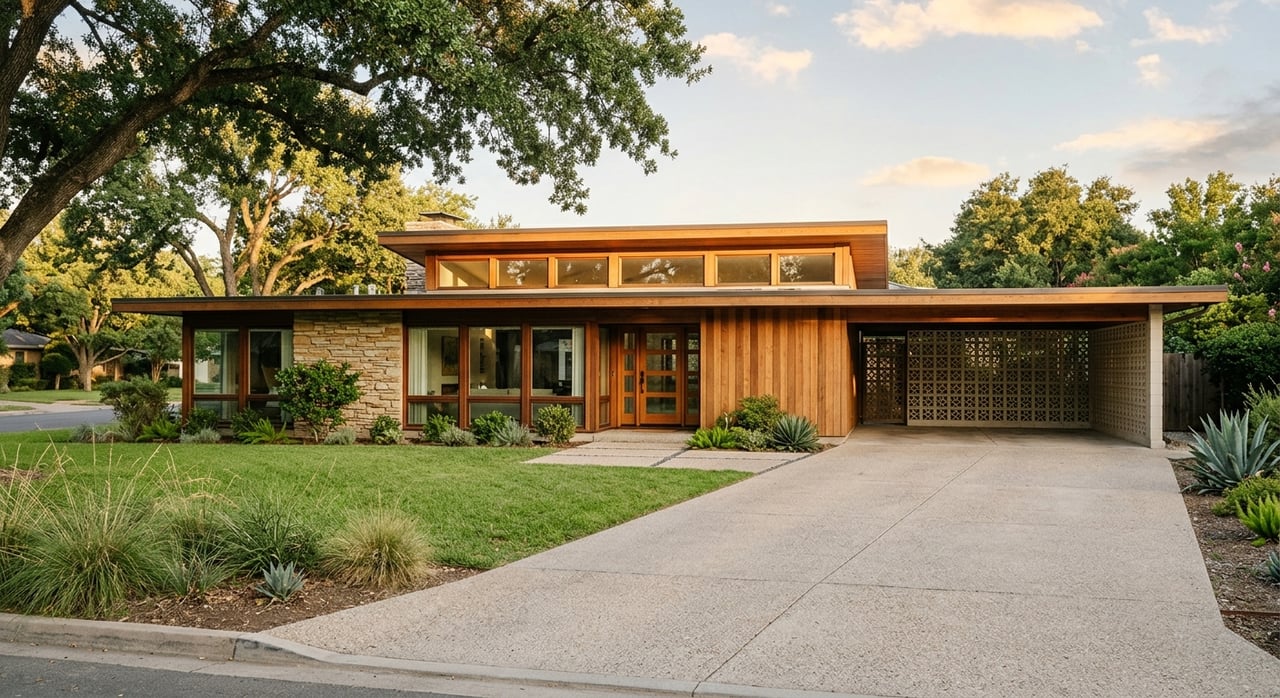
The right choice usually comes down to what you want your ownership experience to feel like. If you want certainty, efficiency, newer systems, and a faster move-in path, a new build may fit your priorities better.
If you care more about neighborhood character, downtown proximity, or the ability to remodel and add value over time, a classic home may be the stronger match. Neither path is better in every case. The better path is the one that fits how you want to live.
A few practical questions can sharpen your decision fast:
From a resale perspective, Brentwood supports both sides of the new-versus-classic conversation. New construction often appeals to future buyers who want efficiency, newer systems, and lower near-term maintenance.
ENERGY STAR also notes that certified homes can have better resale value, which can make energy performance a meaningful differentiator. If a home has verified efficiency features, that is worth paying attention to.
Classic homes, on the other hand, can attract buyers who want established surroundings, proximity to downtown, or room to improve the property over time. In a city known for outdoor amenities and suburban living, both low-maintenance convenience and usable outdoor space can shape long-term appeal.
Brentwood is one of those markets where the choice between new and classic feels especially practical. Because so much of the housing stock is newer, a new build can offer real convenience and efficiency. Because older homes are more limited and more concentrated, they can offer a different kind of opportunity rooted in character and flexibility.
If you start with your lifestyle, your budget for future work, and how much certainty you want after closing, the right fit usually becomes clearer. If you want help comparing options and reading between the lines of what a home can offer today and later, Rebecca Davis is here to help.
Our expansive network and white-glove service ensure a bespoke experience for both buyers and sellers. Let our top producing team find your dream home today.
Contact Today